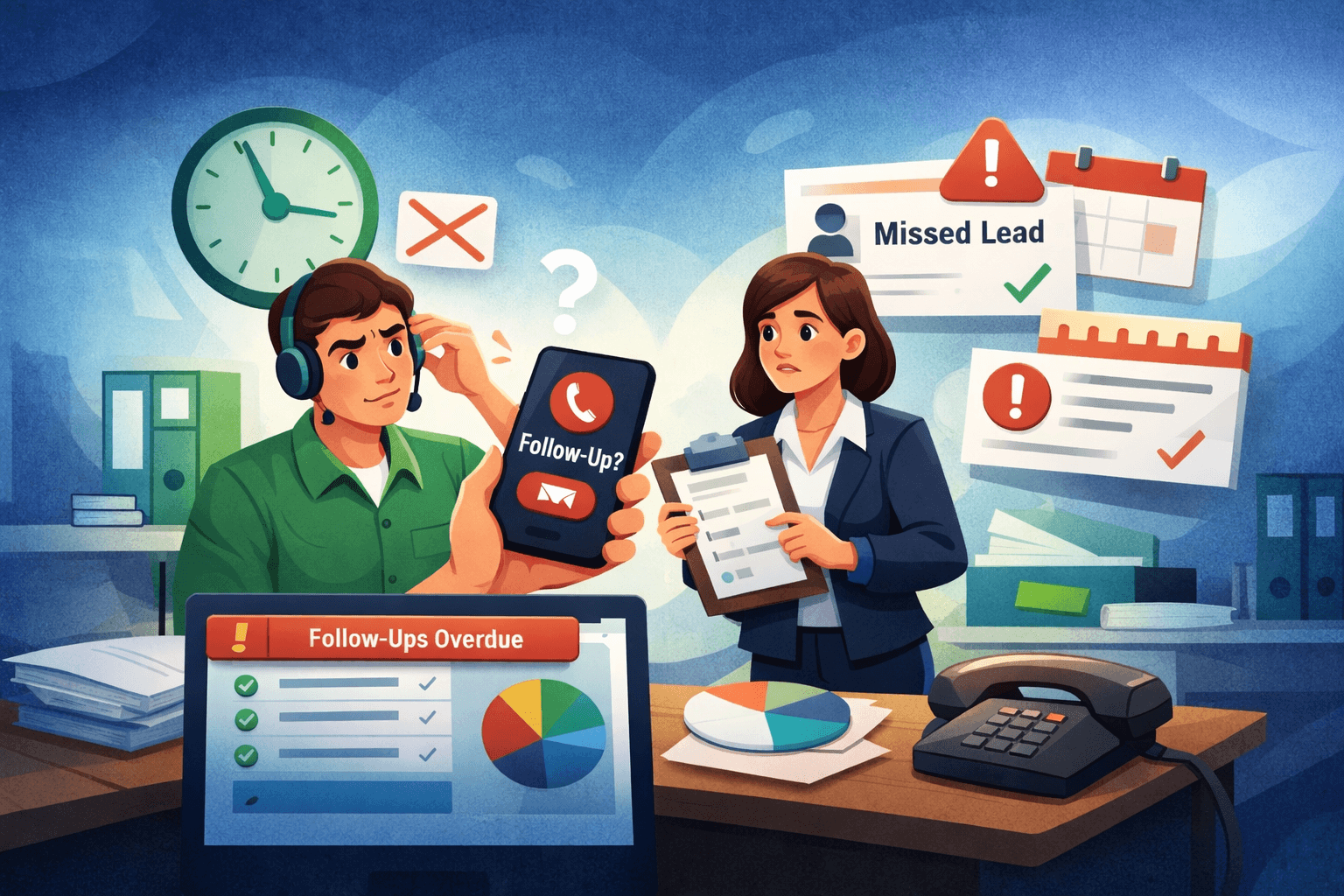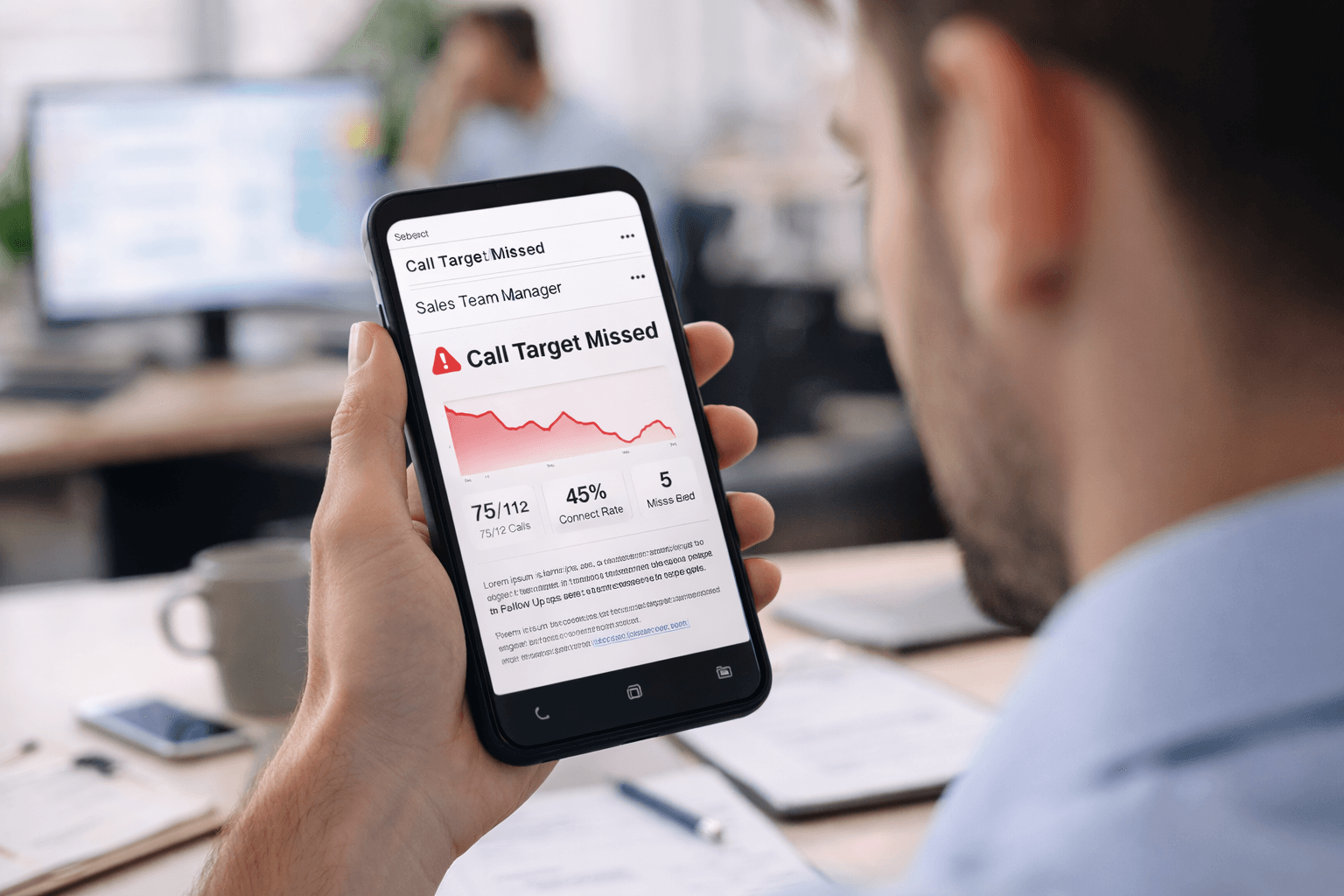


On paper, sales reps spend most of their day “calling leads.”
In reality, a surprising amount of that time is wasted before a real conversation even begins.
Missed calls.
Wrong numbers.
Manual dialing.
CRM updates after every call.
Searching for the next lead.
Across inside sales teams, call centers, and field sales operations, studies consistently show that sales reps lose up to 40% of their calling time on non-selling activities—with manual dialing being one of the biggest culprits.
This isn’t a motivation problem.
It’s a workflow problem.
We’ll break down why sales reps lose so much time dialing numbers, what’s actually happening behind the scenes, and how modern sales teams are redesigning their calling workflows using CRM-integrated dialers and mobile-first systems.
The Real Cost of Manual Dialing in Sales

Sales dialing seems simple: pick a number, call, move on.
But in most organizations, dialing is part of a fragmented workflow that quietly drains productivity.
Let’s look at where the time really goes.
1. Searching for the Right Lead to Call
In many teams, reps spend minutes between calls just figuring out:
- Which lead should I call next?
- Has this lead already been contacted?
- Is this number still valid?
- Was there a follow-up scheduled?
When lead assignment isn’t automated or clearly prioritized, reps bounce between spreadsheets, CRM tabs, WhatsApp messages, and notes—before dialing even begins.
Time lost: 10–15 minutes per hour
Impact: Reduced call volume and inconsistent follow-ups
2. Manual Dialing Adds Invisible Friction
Manual dialing sounds harmless until you multiply it across a full day.
Each call involves:
- Copying a number
- Switching apps or devices
- Dialing
- Waiting for connection
- Handling unanswered calls
- Returning to CRM to log outcomes
Even if this takes 30–45 seconds per call, over 80–100 calls a day, that’s nearly an hour lost to mechanics—not selling.
Time lost: 20–25% of calling hours
Impact: Lower talk time, higher rep fatigue
3. High Percentage of Unanswered or Invalid Calls
Sales teams dialing cold or semi-warm leads often face:
- Switched-off numbers
- Busy signals
- Incorrect data
- Calls outside working hours
Without smart retry logic or call disposition tracking, reps waste time dialing leads that have little chance of connecting.
Time lost: Repeated failed attempts
Impact: Lower morale and inefficient lead usage
4. Post-Call Admin Work Slows Momentum
After each call, reps typically need to:
- Update call status
- Add notes
- Schedule follow-ups
- Change lead stage
- Tag outcomes manually
When this isn’t integrated into the calling flow, reps delay updates or skip them entirely—leading to messy CRM data and poor reporting.
Time lost: 5–10 minutes per hour
Impact: Inaccurate data and weak forecasting
Why Traditional Calling Setups No Longer Scale
Many sales teams still rely on outdated setups:
- Desktop CRMs with separate calling tools
- Physical SIM phones alongside software CRMs
- Spreadsheet-based lead lists
- Disconnected auto dialers
These systems weren’t designed for high-volume, mobile-first sales environments.
As sales cycles speed up and lead volumes increase, these gaps compound—turning small inefficiencies into massive productivity losses.
Where That 40% of Time Actually Goes
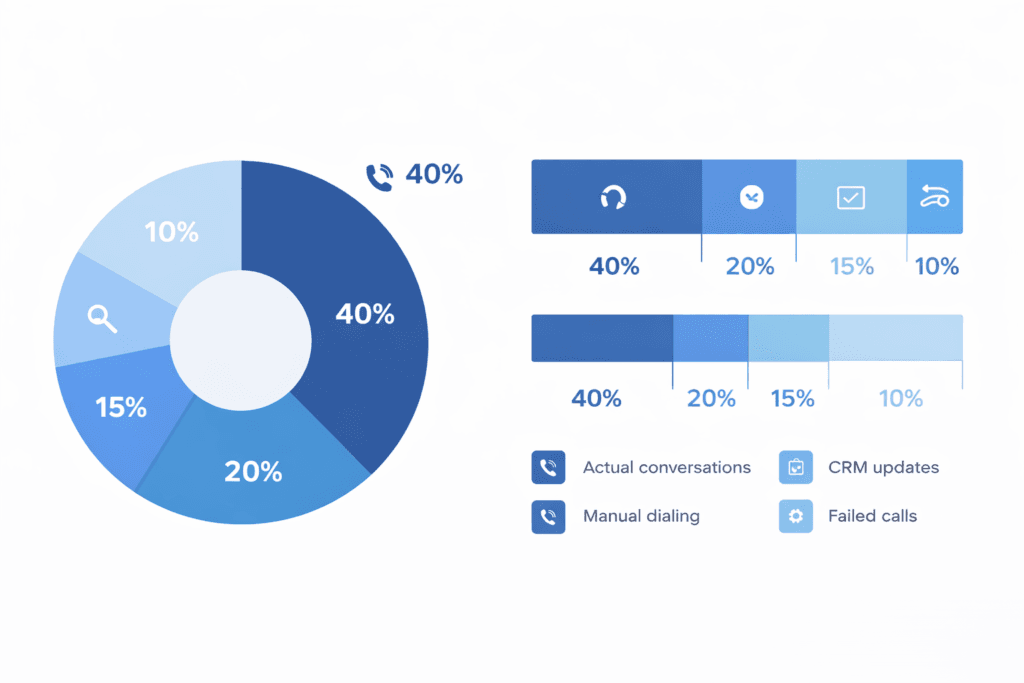
Here’s a realistic breakdown of a sales rep’s “calling hour” in a traditional setup:
| Activity | Time Spent |
| Actual conversation with prospects | ~35–40% |
| Manual dialing & switching apps | ~20% |
| Searching for leads & numbers | ~15% |
| Post-call updates & admin | ~10–15% |
| Failed call attempts | ~10% |
The result?
Less than half the time is spent selling.
How Modern Sales Teams Reduce Dialing Waste
High-performing sales teams don’t ask reps to “work harder.”
They remove friction from the calling process.
Here’s how.
1. CRM-Integrated Dialing Instead of Manual Calls
Modern CRMs allow reps to call directly from the lead profile—without switching apps or copying numbers.
Benefits include:
- One-tap calling
- Automatic activity logging
- Faster transitions between calls
- Cleaner call histories
This alone can recover 10–15% of lost time.
2. Auto and Smart Dialing Workflows
Instead of manually choosing each number, teams use:
- Auto dialers for high-volume calling
- Smart/manual dialing for relationship-driven sales
- Lead queues based on priority, recency, or stage
Sales teams using auto/manual dialing combinations typically see:
- Higher call volumes
- More consistent follow-ups
- Less idle time between calls
3. SIM-Based Calling for Better Connectivity
Cloud calling often struggles with:
- Call drops
- Low pickup rates
- Spam labeling
SIM-based calling systems use real mobile numbers, improving:
- Call connect rates
- Trust with prospects
- Local presence
This reduces wasted attempts and improves talk-time efficiency.
4. Automatic Call Dispositions and Notes
Instead of manual updates, modern systems allow reps to:
- Select call outcomes instantly
- Auto-log duration and status
- Trigger follow-up reminders
This keeps CRM data clean without slowing reps down.
5. Mobile-First Sales Workflows
Field sales and inside sales teams increasingly work from mobile devices.
Mobile CRMs with built-in calling:
- Reduce dependency on laptops
- Enable calling on the move
- Keep reps productive outside the office
This is especially critical for distributed and on-field teams.
How Tools Like GoDial Fit Into This Shift
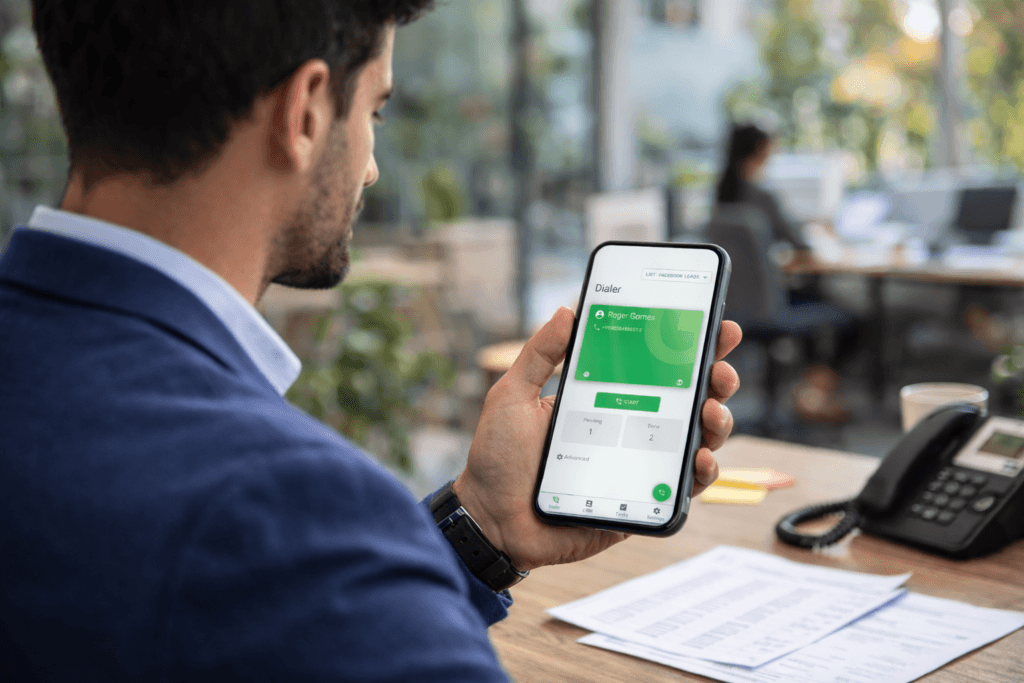
Sales productivity today isn’t about adding more tools—it’s about connecting the right ones.
Tools like GoDial are designed around this modern reality by combining:
- SIM-based calling
- Mobile-first CRM
- Auto and manual dialing
- Lead assignment & tracking
- Call outcomes and reporting
Instead of forcing reps to juggle systems, everything happens inside a single calling workflow—reducing wasted motion and improving focus.
Importantly, platforms like these don’t replace sales skills; they remove distractions that prevent reps from using those skills effectively.
Real-World Impact: What Sales Teams Gain Back
When dialing inefficiencies are removed, teams typically see:
- 📈 20–40% increase in daily call volume
- 📞 Higher connect rates due to SIM-based calling
- 🧠 Better focus and lower rep burnout
- 📊 Cleaner CRM data and reporting
- ⏱ More time spent in actual conversations
This compounds quickly—especially in high-volume sales environments.
Key Takeaways
- Sales reps don’t waste time because they’re inefficient—they waste time because systems are.
- Manual dialing, app switching, and admin work silently consume up to 40% of selling time.
- CRM-integrated, mobile-first, and SIM-based calling workflows significantly reduce this waste.
- Modern sales teams focus on removing friction, not increasing pressure.
- Tools that unify calling, CRM, and lead management help reps sell more—without working longer hours.
Exploring Smarter Sales Calling Workflows
If you’re evaluating ways to improve sales productivity, it’s worth exploring how modern CRM and dialing platforms are redesigning calling workflows—especially for mobile and inside sales teams.
Understanding these systems can help you identify where time is being lost today—and where it can be reclaimed tomorrow.