

Cold calling and outbound sales haven’t disappeared — they’ve just evolved.
Yet, one thing hasn’t changed: new sales reps still make the same calling mistakes, often without realizing how much it’s hurting their conversions, confidence, and productivity.
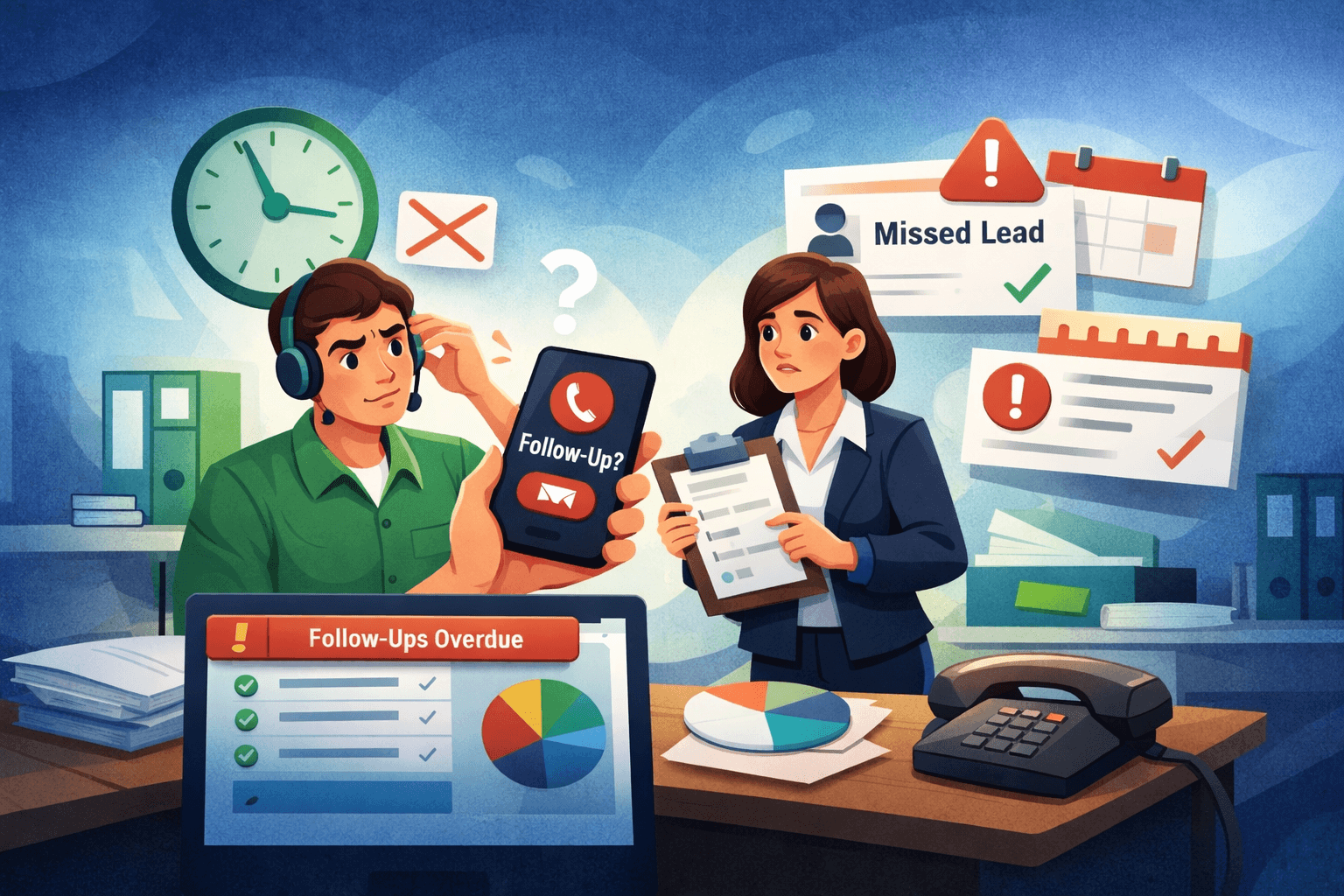
In high-volume sales environments like call centers, inside sales teams, and field sales operations, these mistakes compound fast. Missed follow-ups, poor call preparation, inconsistent tracking — all of it leads to lost revenue and burned leads.
The good news?
Most of these mistakes are completely avoidable, especially when sales teams combine better calling habits with the right sales calling technology.
In this guide, we’ll break down the biggest sales calling mistakes new reps make, why they happen, and how modern sales teams use smarter workflows, CRMs, and dialers to avoid them.
Why Sales Calling Still Fails for Many New Reps
Many new reps don’t fail because they’re bad at sales.
They fail because:
- They rely on outdated calling methods
- They don’t have clear call processes
- They’re juggling too many tools manually
- They don’t get feedback from real call data
Without structure, even motivated reps struggle.
Let’s look at where things go wrong.

1. Calling Without Proper Lead Context
One of the most common mistakes new reps make is dialing leads blindly.
They open a spreadsheet, see a phone number, and call — without knowing:
- Where the lead came from
- What product the lead showed interest in
- Previous call history
- Past objections or outcomes
Why this hurts conversions
Prospects can immediately sense when a rep is unprepared. Generic openers kill trust and increase call drops.
How modern teams avoid this
Sales teams using mobile CRMs and call-integrated systems ensure reps see:
- Lead source
- Notes from previous interactions
- Call outcomes
- Follow-up reminders
When reps call with context, conversations feel relevant — not random.
2. Using Personal Phones for Sales Calls
Many new reps start by using their personal mobile numbers for sales calls, especially in early-stage teams.
This creates multiple problems:
- No call tracking
- No call recordings
- No visibility for managers
- Risk of number misuse or burnout
Why this is a serious mistake
Once calls happen outside a system, data is lost forever. There’s no way to measure performance or improve scripts.
What sales teams do instead
Modern sales teams use SIM-based or mobile dialers that:
- Keep personal numbers private
- Log every call automatically
- Sync call activity with CRM
- Maintain compliance and consistency
This allows reps to focus on selling — not managing call logs.
3. Poor Call Openings and Weak First 10 Seconds
New reps often underestimate how important the first 10 seconds of a sales call are.
Common mistakes include:
- Sounding unsure or robotic
- Jumping straight into pitching
- Asking vague questions
- Not stating a clear reason for the call
Why this matters
Most prospects decide whether to continue listening within seconds. Weak openings lead to instant call drops.
Best practice
Successful reps follow structured call openers that:
- Acknowledge the prospect’s context
- Clearly state why they’re calling
- Ask permission to continue
Sales teams that track call outcomes and recordings can coach reps on what openings actually work — instead of guessing.
4. Not Following Up Consistently
Another major sales calling mistake is poor follow-up discipline.
New reps often:
- Forget to call back
- Lose track of follow-up dates
- Rely on memory or notes
- Don’t know which leads to prioritize
The hidden cost
Most sales don’t close on the first call. Missed follow-ups mean lost warm leads — not cold ones.
How high-performing teams handle follow-ups
Sales teams using CRM-integrated calling tools can:
- Schedule follow-ups during the call
- Automatically assign leads
- Track call dispositions
- Get reminders at the right time
Follow-ups stop being a “to-do” and become part of the workflow.
5. Manually Dialing Every Call
Manual dialing may seem harmless — until reps are making hundreds of calls per day.
The result?
- Slower call volume
- More fatigue
- Higher chances of dialing errors
- Lower daily productivity
Why this affects performance
Every second spent dialing is time not spent talking to prospects. Over a week, this adds up fast.
Smarter alternative
Sales teams using auto or click-to-call dialers can:
- Increase talk time
- Reduce idle gaps
- Maintain call momentum
- Focus energy on conversations
Even simple auto-dialing workflows significantly improve call efficiency.
6. Not Tracking Call Outcomes Properly
New reps often end calls without logging:
- Call result
- Interest level
- Objections
- Next steps
Or worse — they log it hours later and forget key details.
Why this is dangerous
Without accurate call outcomes:
- Managers can’t coach effectively
- Leads get mishandled
- Reporting becomes unreliable
- Forecasting suffers
How modern sales systems help
Sales calling platforms with built-in outcome tagging allow reps to:
- Select call status instantly
- Add quick notes
- Trigger next actions automatically
This keeps the pipeline clean and actionable.
7. Treating Every Lead the Same
New reps often use the same script, tone, and pitch for:
- Cold leads
- Warm inquiries
- Repeat follow-ups
- Inbound requests
Why this doesn’t work
Different leads require different conversations. A one-size-fits-all approach kills relevance.
What top teams do differently
Sales teams segment leads based on:
- Source
- Stage
- Previous engagement
- Call history
With proper lead management, reps know how to approach each call — not just who to call.
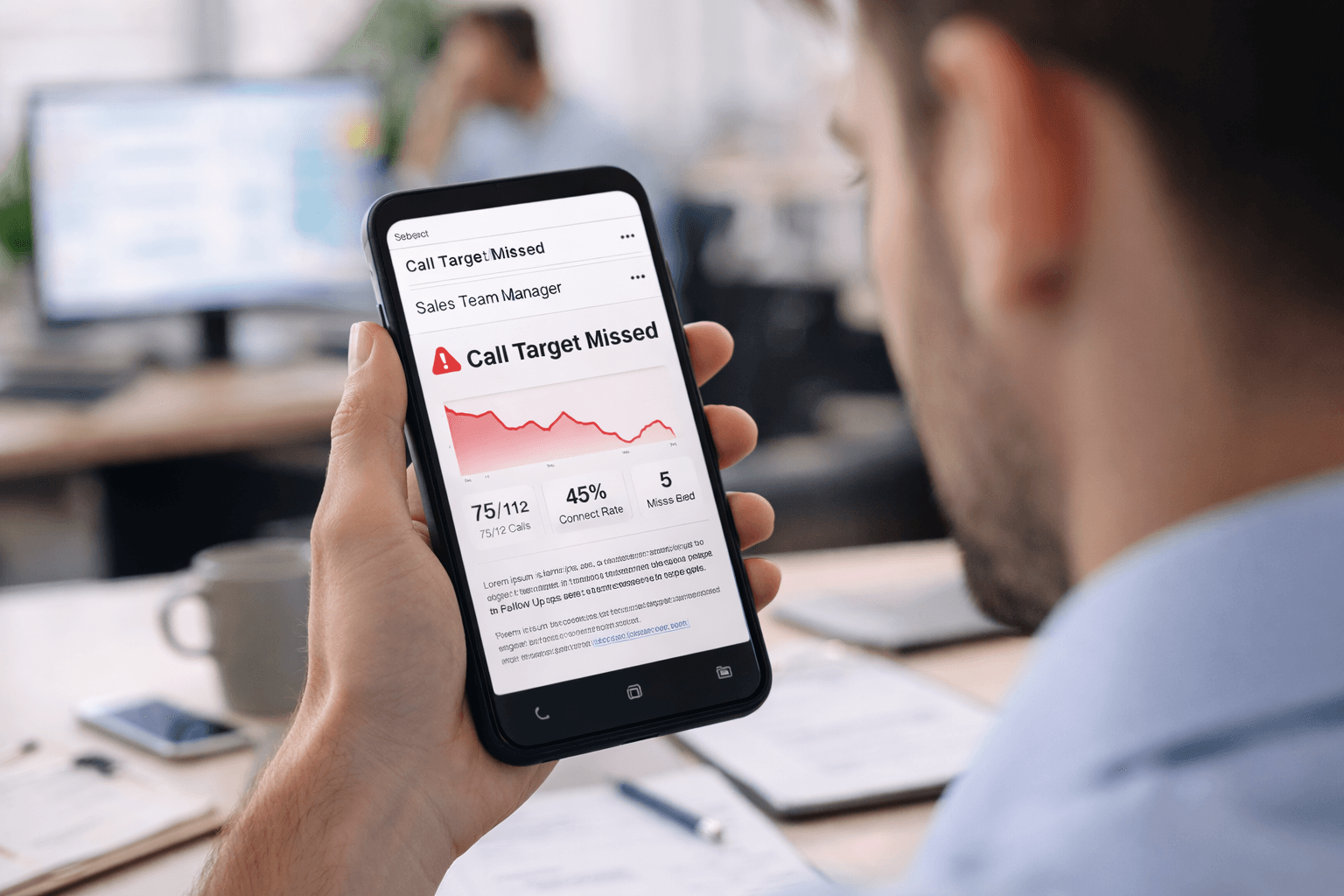
8. No Visibility Into Personal Performance
Many new reps don’t know:
- Their connect rate
- Average call duration
- Conversion by lead source
- Best calling times
They rely on gut feeling instead of data.
Why this limits growth
Without performance insights, reps can’t improve intentionally. They repeat mistakes without realizing it.
The data-driven approach
Sales teams using call reporting dashboards can:
- Track daily call activity
- Compare outcomes
- Identify improvement areas
- Coach based on real numbers
Performance visibility builds confidence and consistency.
9. Lack of Coaching and Feedback Loops
When calls aren’t recorded or tracked properly, managers can’t:
- Review conversations
- Identify skill gaps
- Improve scripts
- Guide new reps effectively
New reps are left guessing.
How modern teams solve this
Call-enabled CRMs allow:
- Call recording (where compliant)
- Outcome analysis
- Rep-level performance tracking
This creates a continuous improvement loop instead of trial-and-error selling.
10. Using Too Many Disconnected Tools
New reps often juggle:
- Spreadsheets
- Personal phones
- Separate dialers
- Standalone CRMs
This creates friction and errors.
The smarter approach
Sales teams increasingly prefer unified sales calling systems where:
- Calling
- CRM
- Lead management
- Reporting
…all live in one place.
Tools like GoDial help streamline sales calling by combining mobile CRM, SIM-based calling, auto/manual dialing, lead assignment, and call tracking into a single workflow — without forcing reps to switch tools constantly.
Key Takeaways: How New Sales Reps Can Avoid These Mistakes
The biggest sales calling mistakes aren’t about talent — they’re about systems and habits.
New reps perform better when they:
- Call with full lead context
- Use structured calling tools
- Track outcomes consistently
- Follow up on time
- Learn from call data
- Work within integrated CRM workflows
Sales teams that invest in the right calling infrastructure early reduce ramp-up time, improve rep confidence, and increase conversions — without burning out their teams.
Final Thought
Sales calling will always be human at its core — but how calls are made has changed.
As sales environments become faster and more data-driven, avoiding these common mistakes isn’t just helpful — it’s necessary.
For teams exploring modern sales calling workflows, understanding these pitfalls is the first step toward building a scalable, efficient, and rep-friendly sales process.