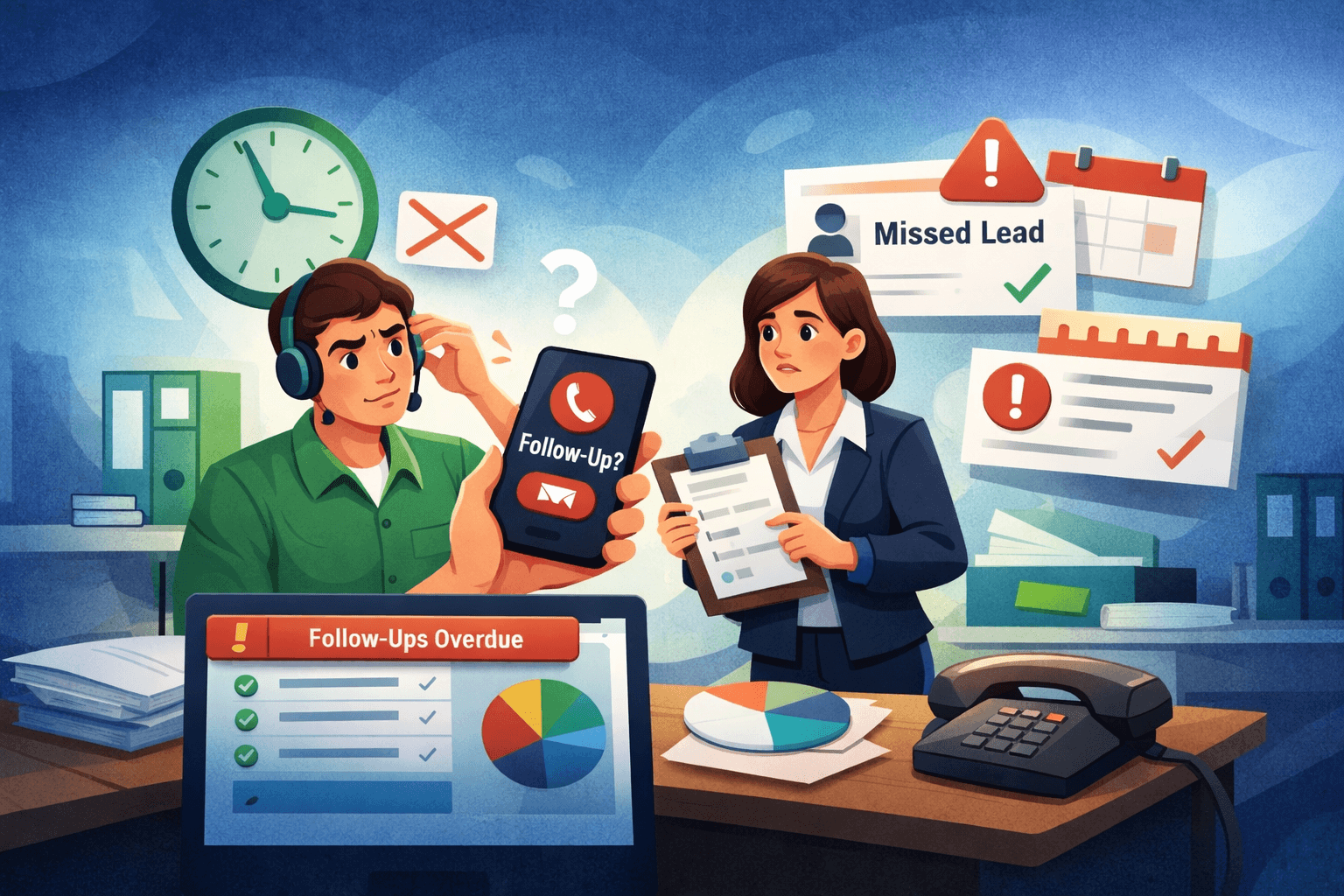

As sales teams start calling across regions and countries, traditional phone lines quickly become a problem. Costs rise, setup gets messy, and scaling turns into a technical headache. For many teams, the old way of handling calls just doesn’t hold up anymore.
This is where SIP calling comes in. In this blog, we’ll walk through what SIP calling is, how it works behind the scenes, and why so many outbound and remote sales teams rely on it today.
What Is SIP Calling?
SIP (Session Initiation Protocol) is a way to make and manage phone calls over the internet.
Instead of using traditional phone lines, SIP allows calls to go through an internet connection via a SIP provider. That shift makes calling more flexible, easier to scale, and generally cheaper—especially for teams making a high volume of outbound or international calls.
How SIP Calling Works
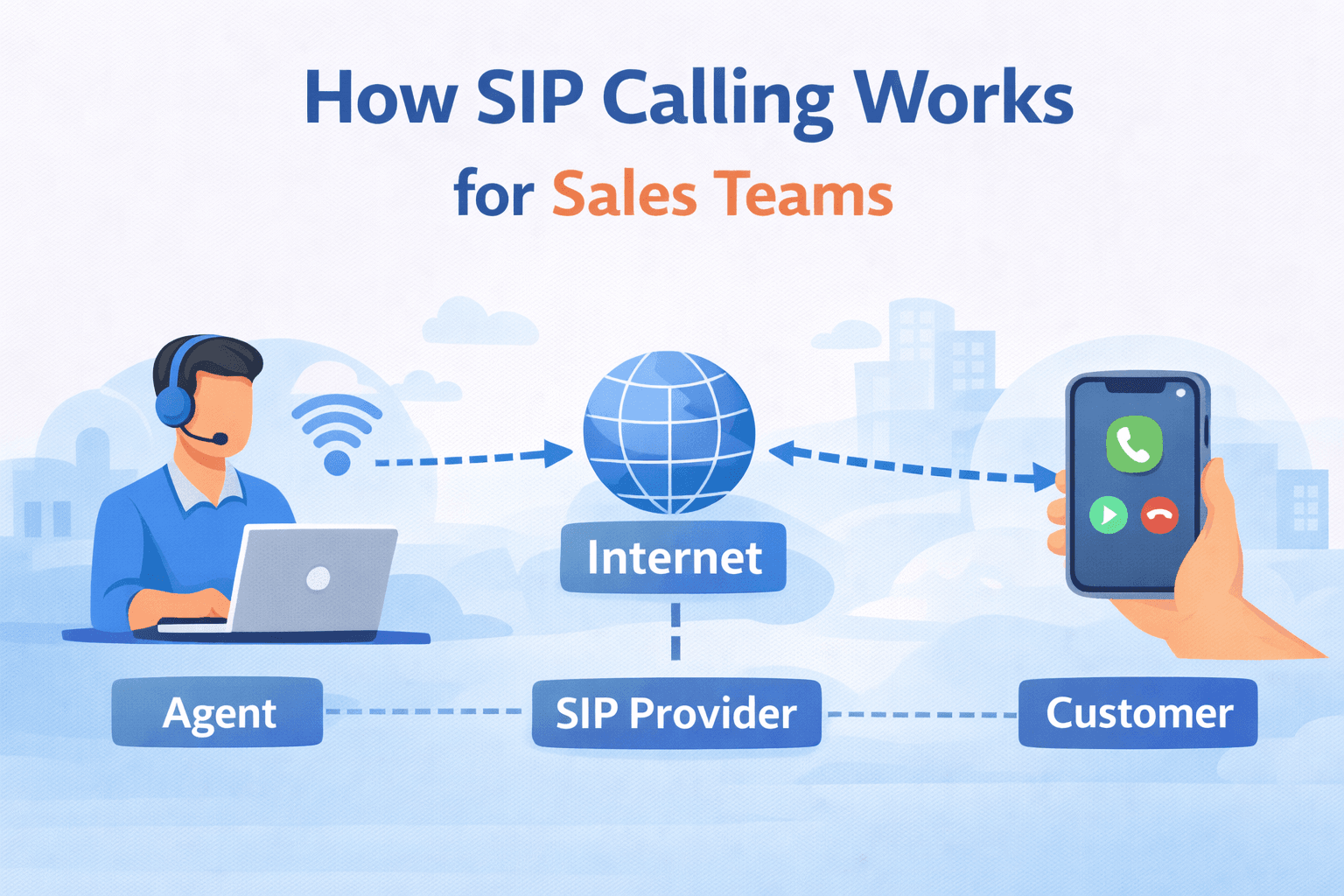
At a basic level, SIP calling follows a simple flow:
- A sales agent starts a call using a browser, softphone, or dialer
- The call request is sent over the internet using SIP
- A SIP provider connects the call to the destination number
- Voice data flows back and forth in real time
SIP handles setting up and ending the call, while the actual voice data travels efficiently over IP networks.
Why Sales Teams Use SIP Calling
1. Lower International Calling Costs
SIP is far more cost-effective for international calls than traditional phone networks, which makes it a strong fit for global sales teams.
2. Works Naturally with Cloud PBX
SIP pairs well with Cloud PBX systems, letting teams manage call routing, logic, and reporting from one place instead of juggling separate tools.
3. Flexible for Remote Teams
Sales agents aren’t tied to office phones. As long as they have an internet connection, they can make calls from wherever they’re working.
SIP Calling vs Traditional Phone Lines
| Traditional Calling | SIP Calling |
|---|---|
| Uses physical phone lines | Uses internet connectivity |
| High international costs | Lower global calling costs |
| Hard to scale | Easy to scale |
| Hardware-based | Software-driven |
A Typical Sales Workflow Using SIP
A common SIP-based sales workflow looks like this:
- Leads are prepared in a CRM or calling list
- Agents place calls using a dialer or softphone
- SIP handles routing and call connectivity
- Call outcomes are logged automatically
- Managers review performance and adjust campaigns
This setup helps teams stay consistent and efficient, even as call volume grows.
Who Should Use SIP Calling
SIP calling works especially well for:
- Outbound sales teams
- Teams making international calls
- Remote or hybrid sales teams
- Businesses using Cloud PBX systems
SIP calling replaces traditional phone lines with a more flexible, internet-based way to handle business calls. For sales teams that care about speed, scale, and keeping costs under control, SIP has become a core part of the calling stack.
Understanding how SIP works makes it easier to build a sales calling setup that can grow without getting more complicated.