
The Follow-Up Gap That Costs Sales Teams Deals
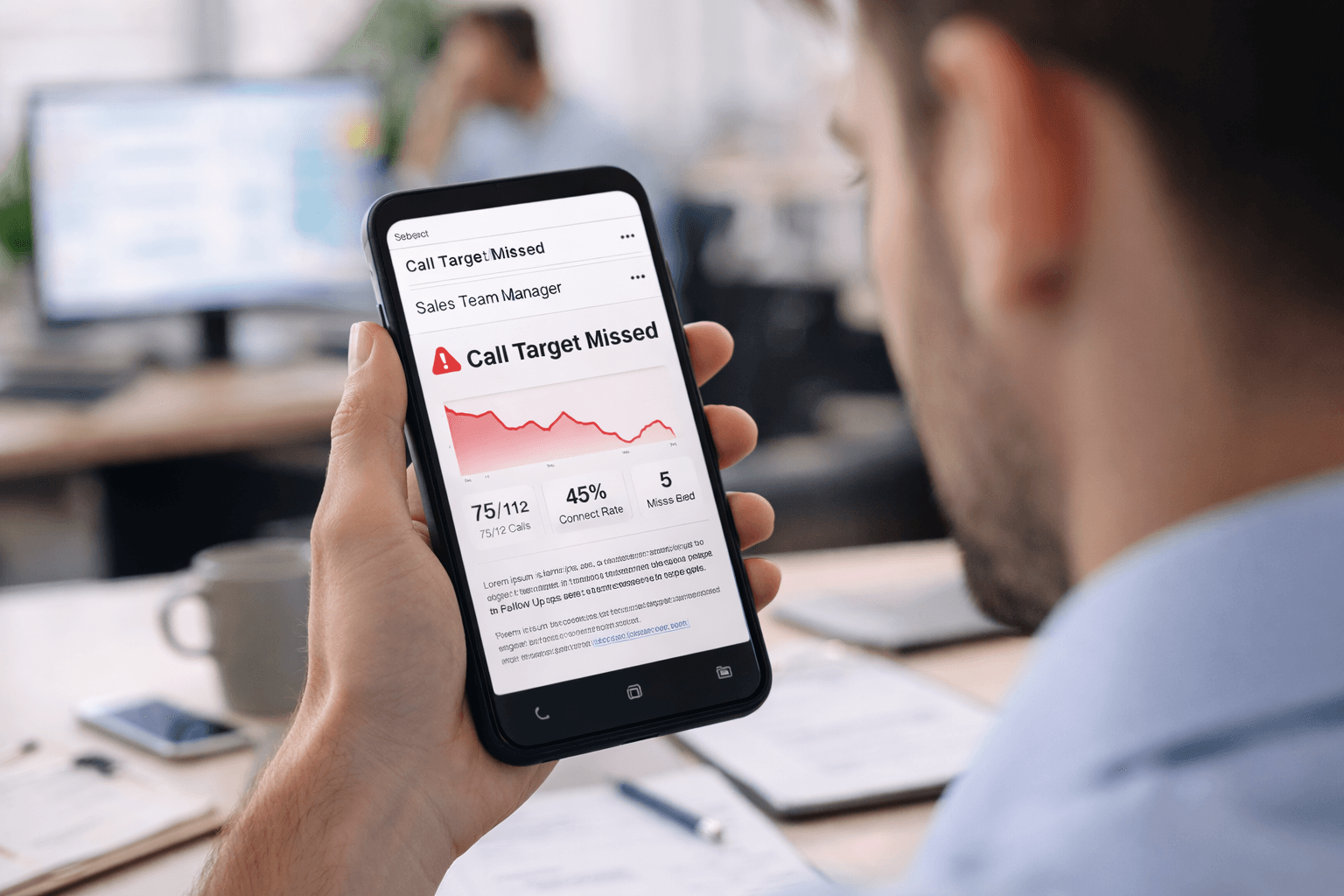
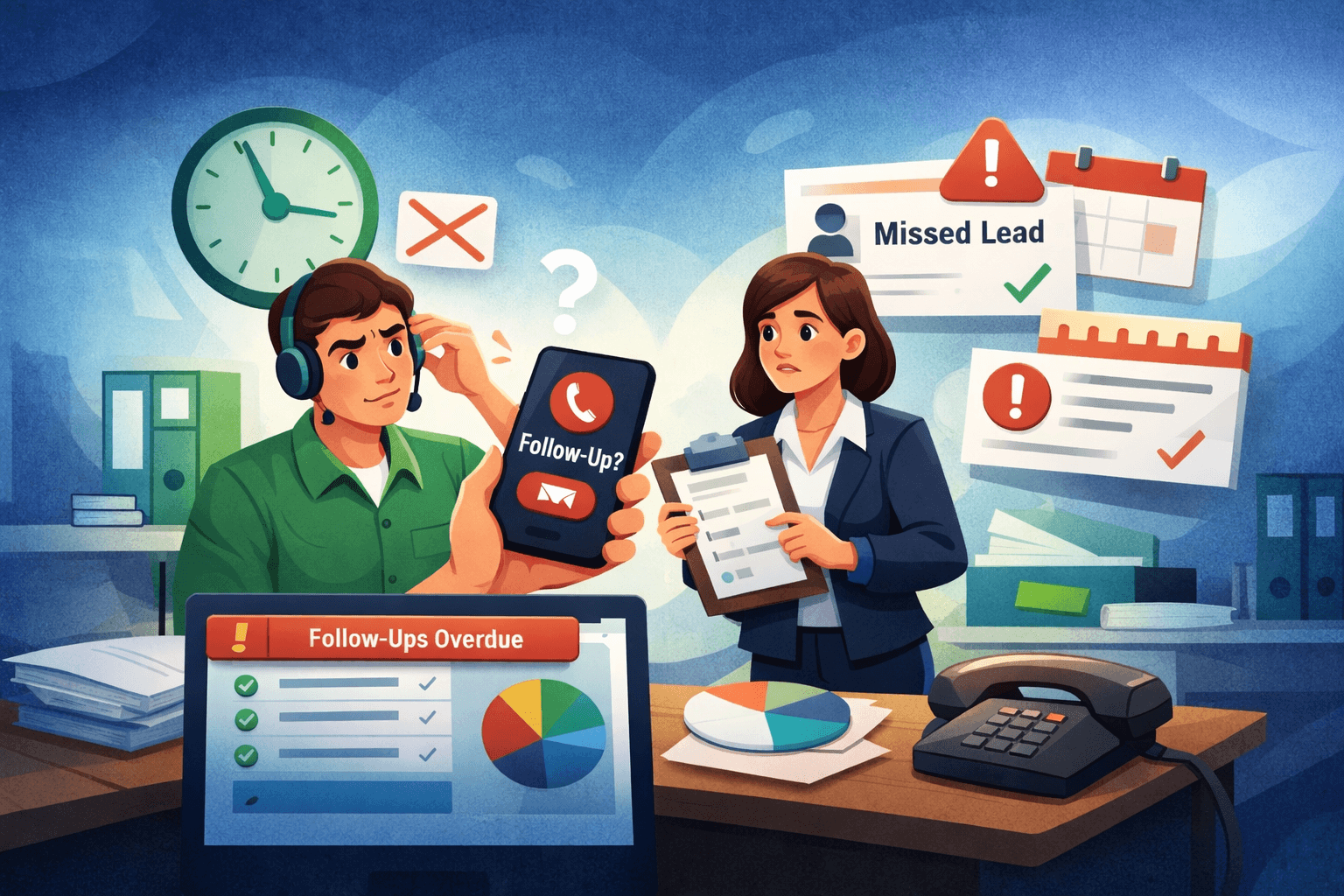
Most sales teams don’t lose deals because of poor pitching. They lose them because of missed follow-ups.
A prospect requests a callback. A demo ends with “let’s reconnect next week.” A lead shows interest but goes quiet. Somewhere between intention and action, follow-ups slip — and with them, revenue.
Research consistently shows that a large percentage of conversions happen after multiple follow-ups, yet many sales reps stop after one or two attempts. In fast-moving sales environments — especially inside sales, telecalling, and call center operations — follow-ups often fall victim to manual processes, scattered data, and unclear ownership.
We’ll break down the top reasons sales teams miss follow-ups, how those issues show up in real-world sales workflows, and practical ways to fix them using smarter systems, better processes, and modern sales calling tools.
Why Follow-Ups Matter More Than Ever in Modern Sales
Before diving into the reasons, it’s worth understanding why follow-ups have become harder — yet more critical.
Today’s sales teams deal with:
- High lead volumes from multiple sources
- Shorter attention spans from prospects
- Remote and mobile-first selling
- Distributed teams using personal devices
- Multiple touchpoints (calls, WhatsApp, email, CRM notes)
In this environment, memory-based or spreadsheet-driven follow-ups simply don’t scale.
1. Follow-Ups Live in Reps’ Heads (Instead of Systems)
The Problem
Many sales reps rely on:
This works — until it doesn’t.
When follow-ups live in someone’s head, they disappear when:
- A rep gets busy
- A shift ends
- A lead gets reassigned
- A phone is lost or changed
The Fix
Centralize follow-up tracking inside a CRM.
Modern CRM follow-up management allows teams to:
- Schedule follow-ups during or immediately after calls
- Tie follow-ups directly to leads
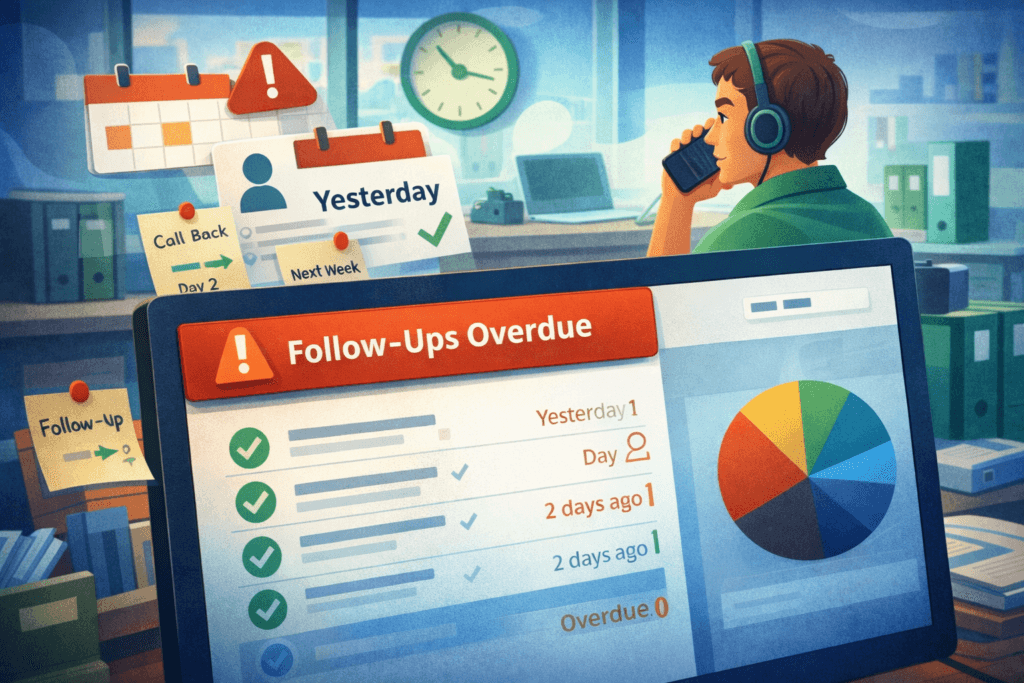
- View overdue follow-ups at a glance
- Ensure continuity even if reps change
Mobile CRMs are especially important for field sales and telecalling teams, where follow-ups need to be logged in real time, not “later.”
2. No Clear Ownership of Leads
The Problem
Follow-ups get missed when:
- Leads are shared across teams
- Multiple reps contact the same prospect
- No one knows who owns the next action
This is common in call centers and fast-growing sales teams where lead assignment happens manually or informally.
The Fix
Automated lead assignment with accountability.
Effective lead management systems:
- Assign leads automatically based on rules
- Show clear ownership at all times
- Maintain lead history even when reassigned
When ownership is visible, follow-ups stop being “someone else’s problem.”
3. Disconnected Calling and CRM Systems
The Problem
In many setups:
- Calls happen on personal phones
- CRM updates happen later (or never)
- Call outcomes aren’t logged properly
This disconnect causes:
- Incomplete lead timelines
- Missed callbacks
- No visibility for managers
The Fix
Integrated sales calling software with CRM.
Sales teams using integrated calling tools can:
- Automatically log calls
- Capture call outcomes instantly
- Trigger follow-up reminders based on call disposition
SIM-based calling solutions are especially useful because they:
- Use the rep’s actual mobile network
- Avoid VoIP quality issues
- Still sync every call back to the CRM
Tools like GoDial help bridge this gap by connecting mobile calling directly with lead and follow-up tracking — without changing how reps naturally make calls.
4. Manual Dialing Slows Everything Down
The Problem
Manual dialing wastes time:
- Searching for numbers
- Copy-pasting contacts
- Switching between apps
When reps spend more time dialing, they make fewer calls — and follow-ups get pushed down the priority list.
The Fix
Use auto or click-to-call dialing.
Auto dialers and smart manual dialing systems:
- Reduce call initiation time
- Keep reps focused on conversations
- Increase daily call volume
When follow-ups are just one tap away, they’re far more likely to happen on time.
5. No Structured Follow-Up Cadence
The Problem
Many teams don’t define:
- How many follow-ups are expected
- When they should happen
- What channel to use
This leads to:
- Inconsistent outreach
- Giving up too early
- Over-following some leads while ignoring others
The Fix
Create standardized follow-up workflows.
Best practices include:
- Defining follow-up stages in the CRM
- Setting expected timelines (e.g., Day 1, Day 3, Day 7)
- Using call outcomes to guide next actions
A structured cadence ensures no lead falls through the cracks — even when reps are busy.
6. Poor Visibility for Managers
The Problem
Sales managers often don’t know:
- Which follow-ups are overdue
- Which reps are consistent
- Where leads are getting stuck
Without visibility, follow-up problems only surface after targets are missed.
The Fix
Real-time reporting and dashboards.
Modern sales productivity tools provide:
- Follow-up completion reports
- Call outcome analytics
- Rep-wise activity tracking
This allows managers to:
- Intervene early
- Coach more effectively
- Optimize follow-up strategies
7. Too Many Tools, Not Enough Flow
The Problem
Sales reps juggle:
- Dialer apps
- CRM apps
- Notes apps
Context switching increases friction — and friction kills follow-ups.
The Fix
Simplify the sales stack.
Sales teams perform better when:
- Calling, notes, and follow-ups live in one place
- Mobile workflows mirror real-world behavior
- Reps can update everything during the call
Mobile-first CRMs with built-in calling reduce friction and improve follow-through.
8. No Follow-Up Triggers Based on Call Outcomes
The Problem
A “call completed” doesn’t mean the same thing as:
- Interested
- Call back later
- Not reachable
- Not interested
When outcomes aren’t captured properly, follow-ups become guesswork.
The Fix
Outcome-based follow-up automation.
Smart systems allow teams to:
- Tag call outcomes instantly
- Auto-schedule follow-ups based on disposition
- Maintain clean lead histories
This ensures follow-ups are relevant — not random.
How Modern Sales Teams Fix Follow-Up Gaps Holistically
High-performing sales teams don’t rely on discipline alone. They rely on systems that make follow-ups hard to forget.
They typically use:
- A mobile-friendly CRM
- Integrated calling (SIM-based or app-based)
- Auto/manual dialing options
- Clear lead ownership rules
- Outcome-driven follow-up workflows
- Real-time reporting
Platforms like GoDial are designed around these realities, helping sales and telecalling teams manage follow-ups naturally within their daily calling flow — without adding complexity.
Key Takeaways
- Missed follow-ups are usually a system problem, not a people problem
- Manual processes don’t scale in modern sales environments
- Integrated calling + CRM dramatically improves follow-up consistency
- Clear ownership, structured cadences, and visibility matter
- Mobile-first workflows are essential for telecalling and inside sales teams
Final Thought
Follow-ups aren’t about working harder — they’re about working smarter.
When sales teams have the right tools and workflows in place, follow-ups stop being an afterthought and start becoming a natural part of every conversation.
If you’re evaluating ways to improve sales follow-up management, exploring modern mobile CRM and sales calling platforms can be a practical next step.