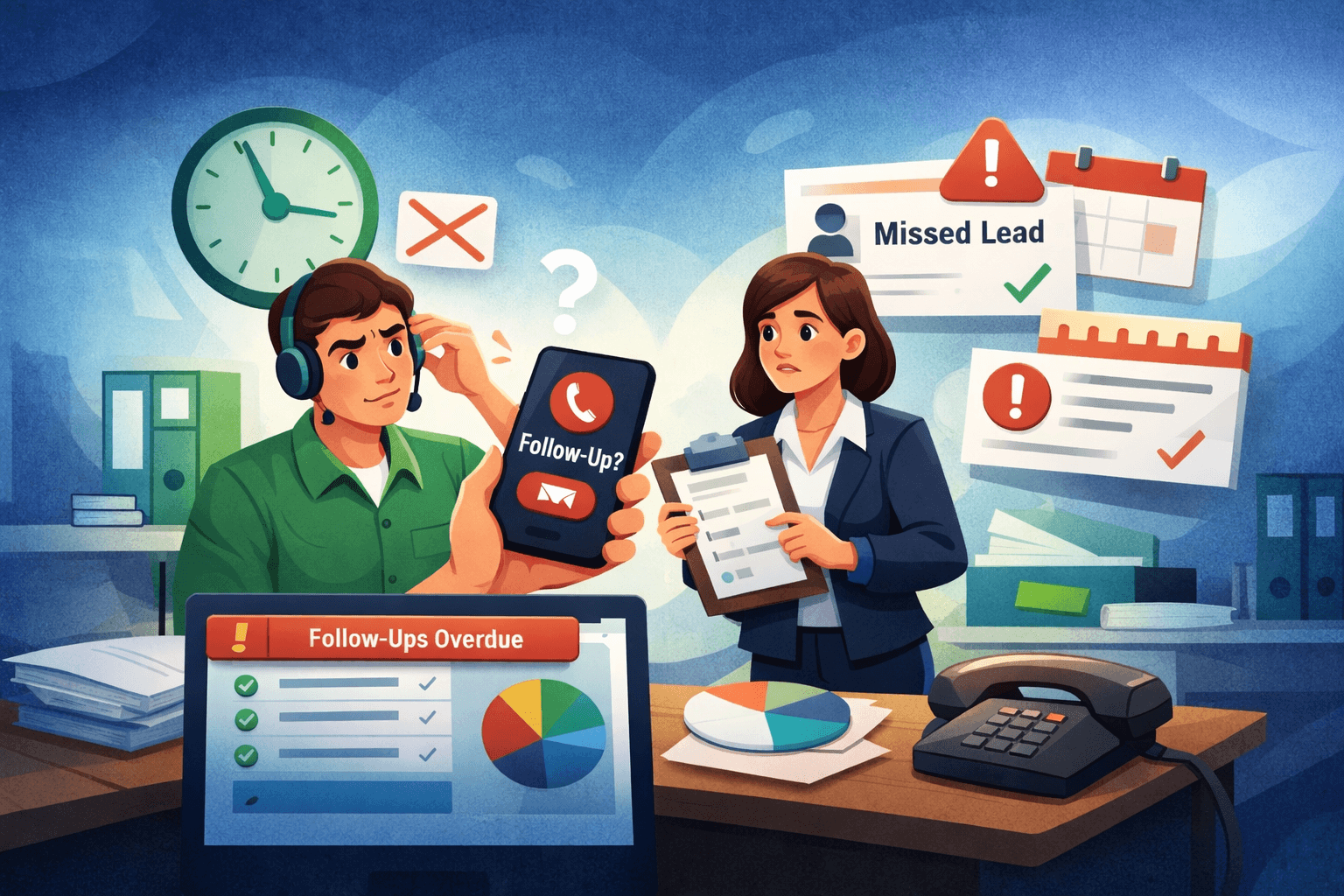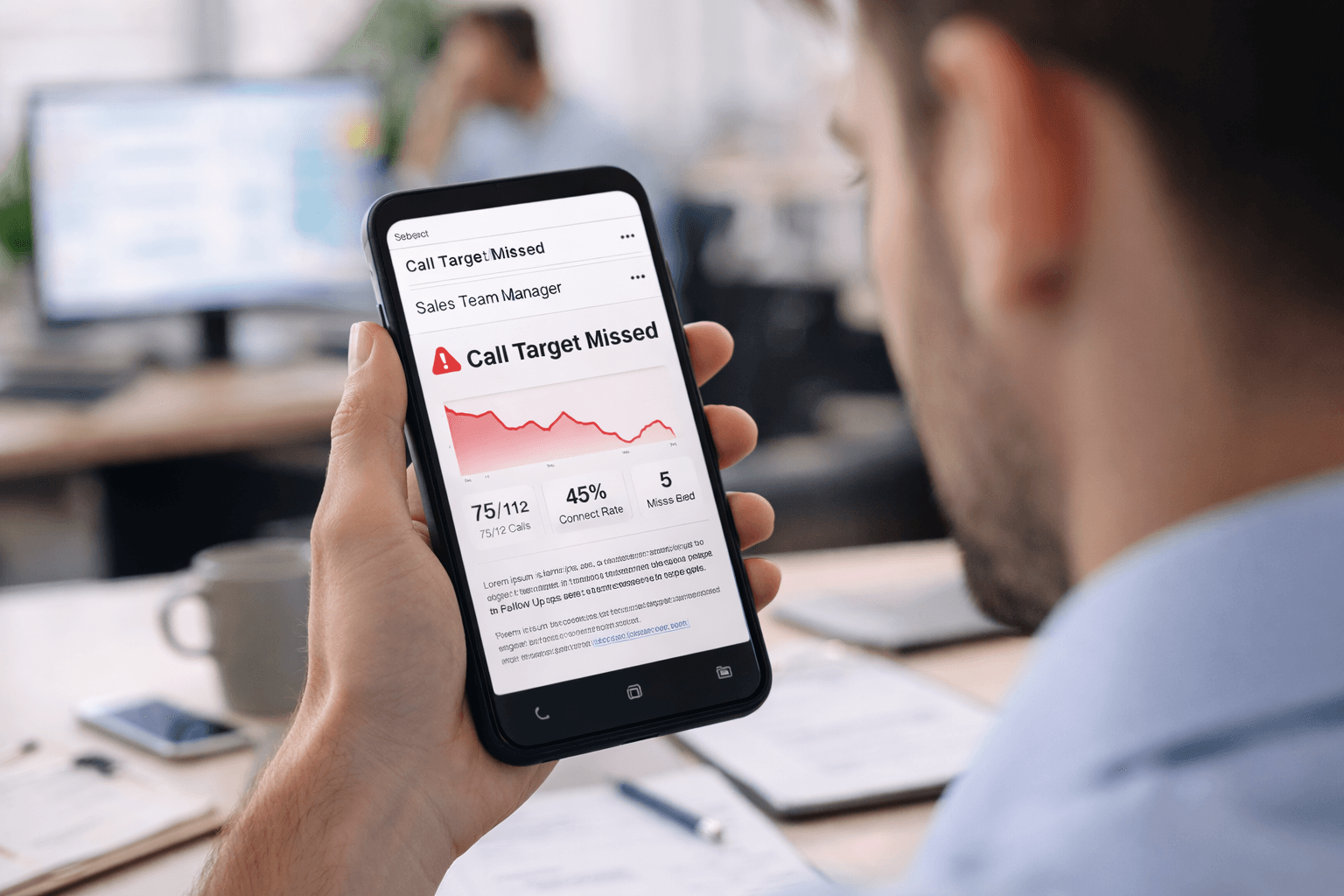

Phone systems play a bigger role in sales than most teams realize. They affect how quickly agents can reach leads, how easily managers can track activity, and how smoothly teams can scale. When the phone system doesn’t fit the sales process, those issues show up fast—missed calls, messy reporting, and workarounds that slow everyone down.
Cloud PBX systems were built to solve those problems. This blog breaks down what a Cloud PBX is, how it works, and why it’s become a practical choice for modern sales teams.
What Is a Cloud PBX?
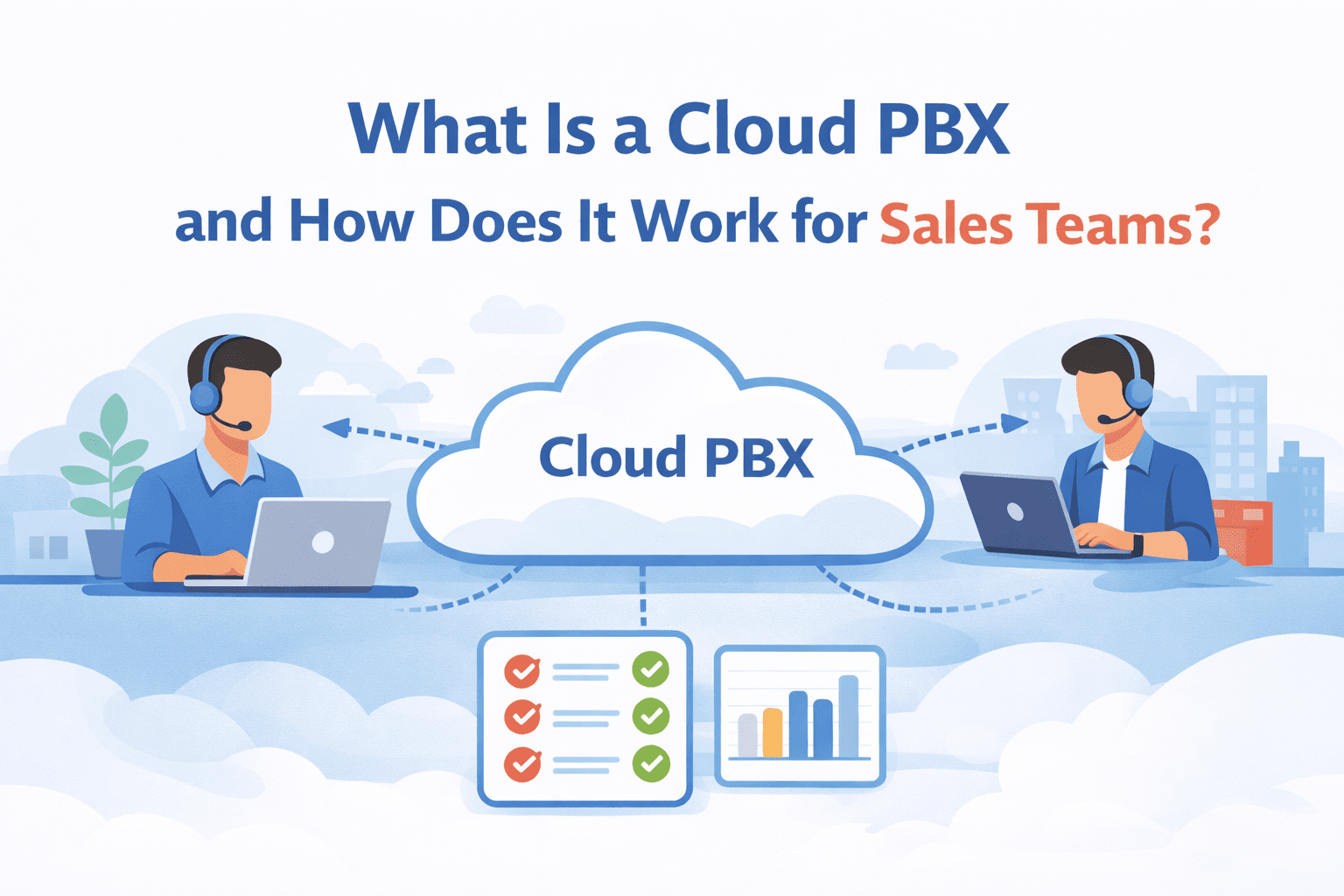
A Cloud PBX (Private Branch Exchange) is a phone system hosted online rather than installed as physical equipment in an office.
Instead of routing calls through on-site hardware, calls are handled over the internet. Sales agents can place and receive calls using laptops, softphones, or SIP-enabled devices—whether they’re at home, in an office, or on the move.
How a Cloud PBX Works
At a basic level, a Cloud PBX is made up of three key pieces:
- Internet-Based Call Routing
Calls are handled by cloud servers rather than physical PBX hardware in an office. - SIP Connectivity
SIP providers manage inbound and outbound calls, while the PBX controls call flow, routing rules, and logic. - User Access via Web or Apps
Agents log in through a browser, softphone, or integrated dialer to make and receive calls.
Because everything runs online, teams aren’t dependent on office infrastructure and can work from anywhere.
Why Cloud PBX Fits Sales Teams
1. Built for Remote and Hybrid Work
Agents can log in and start calling from any location, without setting up VPNs or relying on desk phones.
2. Centralized Call Management
Managers get a single place to track:
- Call volume
- Agent activity
- Call outcomes
This level of visibility is especially important for outbound sales teams that need to monitor performance closely.
3. Scales Without Hardware
Adding agents or expanding into new regions doesn’t require installing new equipment. Teams can scale up or down based on current needs.
4. Designed Around Sales Workflows
Cloud PBX systems typically integrate with:
- Autodialers
- Lead management tools
- CRM platforms
This keeps sales processes structured and repeatable, even as teams grow.
Cloud PBX vs Traditional PBX (Quick Overview)
| Traditional PBX | Cloud PBX |
|---|---|
| Office-based hardware | Internet-based access |
| Hard to scale | Easy to scale |
| Limited reporting | Built-in visibility |
| Ongoing maintenance | Minimal maintenance |
A Typical Sales Workflow Using a Cloud PBX
- Leads are synced from a CRM or uploaded into the system
- Agents log in from their location
- Calls are made manually or through automated dialing
- Call outcomes are logged automatically
- Managers review reports and adjust campaigns
This setup keeps sales operations consistent, regardless of where the team is based.
Who Should Use a Cloud PBX
A Cloud PBX is a strong fit for:
- Outbound sales teams
- Remote or hybrid teams
- Growing businesses
- Teams making international calls
A Cloud PBX replaces office-bound phone systems with a flexible, internet-based way to handle sales calls. For teams that depend on speed, visibility, and the ability to scale, this model aligns far better with how sales work actually happens.
Understanding how a Cloud PBX works is a practical first step toward building a more efficient and adaptable sales calling setup.